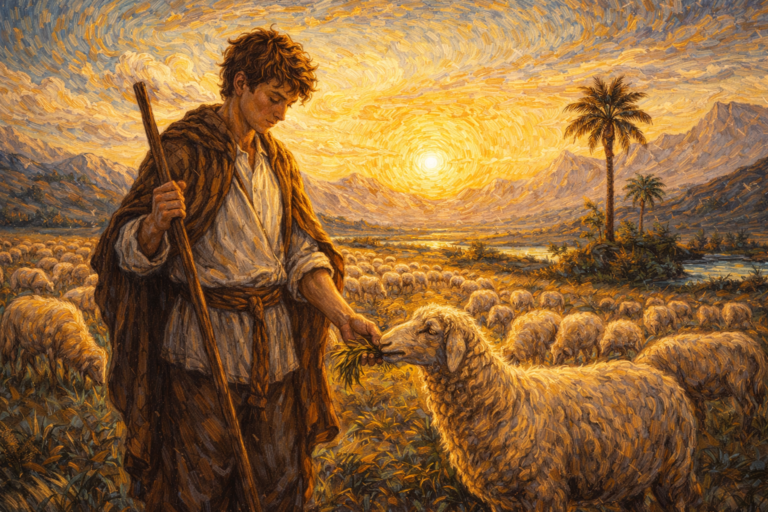
While guidance is necessary. Being taken care of is a core part of the human experience. And everyone at some point in their lives will need the government, corporations, algos and even religion, it is important not to substitute them for your own independent thinking and agency.
They Trust Me; I Lead Them to Nourishment
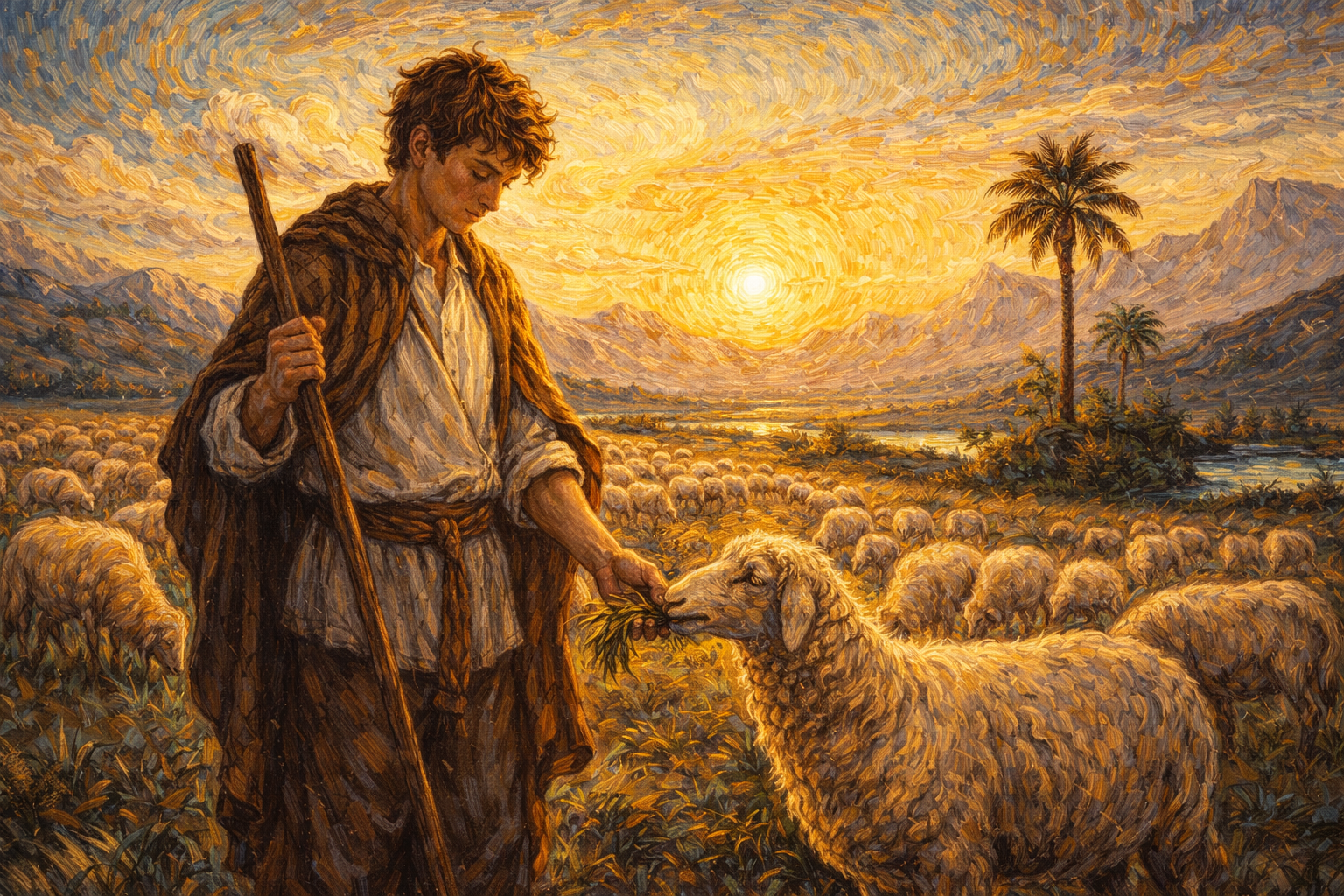
It is pretty hard to bite the hand that feeds you. Except you have a plan B. Or are just suicidal. There is a certain level of power and authority to which most of us subject ourselves that isn’t forceful, yet wins us on any day. It is simple, comfort. You know?!
We all seek some forms of comfort out of life. WFH is one of the major “revolutions” of recent memory that shows how much convenience and comfort are important to having a certain quality of life, especially in this system of work we find ourselves in. Systems of comfort ensure that you are safe. I took a jab at how modern work prioritizes security. And of course, how that affects a person’s appreciation and realization of agency. When someone, or whatever has you, leads you to nourishment – you somehow have learned to trust it to continue to provide for you. By doing so, you have put your agency, or so your trust in it. Your agency hereby refers to your actions being focused on making that thing work, because you depend on it. Anything that jeopardizes that, puts you in harm’s way. Let’s switch gears into reverse, and take a look at what is actually going on here. As we would see, the problem is that when you learn to trust such systems, human institutional or computerized, you rely on them, often to the utter neglect of your own instincts (and the betrayal ensues).
“They trust me, and they’ve forgotten how to rely on their own instincts, because I lead them to nourishment.”
— The Alchemist
Taken at surface value, The Alchemist’s observation about his sheep is acceptable as a favorable condition for the sheep. After all, who doesn’t love to throw away all caution to the wind and sense of self to have another handle things? The Alchemist, a kind shepherd, identifies that while the sheep may be getting a good return for their trust, they also have given away their own power in exchange for food, water and care. Therein lies the problem, when you give power over yourself to another system, person or institution, you play a risky game.
The most dangerous form of control doesn’t bind you in chains or shackles. It does not enforce any form of laws or visible power over you. Hence, you do not resist it. You welcome it. You give it a comfortable home to do as it wills. That is why we do not entrust our care into the hands of people we do not know; people we cannot tell their character.
It is, however, important to note that one cannot do without the help, support or care from others. So, by no means take away from this piece that one can live without any form of help or support. From birth, we are cared for even before we learn to think for ourselves. Giving out some responsibility for taking care of yourself ensures a good level of comfort, both as a child and as we grow. However, it presents a huge risk, and sometimes a trap. You get comfortable enough to trade instinct for security, and autonomy for nourishment. In my previous piece, I opined that to exercise agency requires some degree of risk, which is nonexistent in some systems. Once you feel safe, you learn to relax and depend on whatever seems to be working at the moment. That said, things don’t always remain the same and as you throw caution out the wind, you inherently sign up for some risk, when things do take a turn for the irregular. Atrophy is your bane.
People in comfort do not hope for war, nor do they prepare for war when they have been at peace for very long. Even when war looms, and the signs of danger show, one may be slow to act because of a reluctance to accept change. This isn’t laziness per se. It is learned, over time. Instinct would be able to keep you on edge enough to sense the possibility of war, but through learned dependency, you lose your instincts, and then you are unable to see through the soul of the world. And when you cannot see what it is you have to do, you are likely to go with what is standard or socially acceptable.
The flip side is that while the shepherd provides care and support, even protection, and does so of their free will, they are not infallible beings and have individual needs. The shepherd isn’t evil and that is the crucial point. For any intent and purpose, we assume it is in his interest to give you that help (the more pessimistic look). On a brighter side, the shepherd could just be a simpleton who is all altruistic (the more optimistic look). But no matter how you look at it, the shepherd feels they are doing some good, and the sheep feels dependent and grateful to the shepherd. In all of it, both parties feel useful and no one pays much attention to what is going on underneath it all. AI is here and we are learning to accept it and adapt it to experience next level productivity and innovation in science, technology, and other fields. We rely on governments, corporations, religions, algorithms and even mentors and teachers (such as parents). It wouldn’t be wise to throw all guardrails away.
Nourishment can keep a body alive.
Only instinct keeps a life one’s own.
While guidance is necessary. Being taken care of is a core part of the human experience. And everyone at some point in their lives will need the government, corporations, algos and even religion, it is important not to substitute them for your own independent thinking and agency. They are not a good long term proxy for doing the work you need to do as a person. Sharpen your intuition, pick up your responsibilities, and listen to the soul of the world. It often can tell you more about the omens than you think you need.
Have I outsourced my instincts because it feels easier?